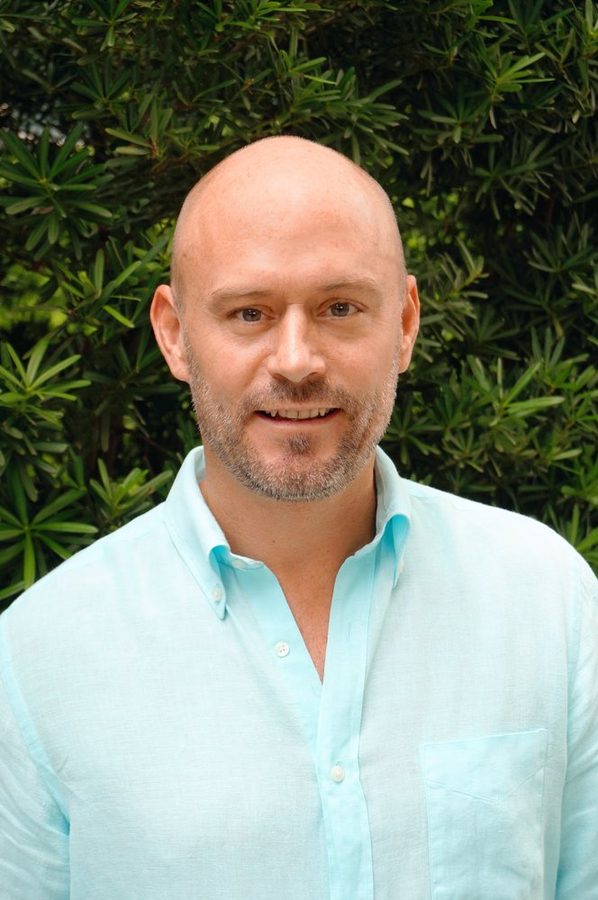
When I spoke with Nicholas Yarnell, he was General Manager of Six Senses Douro Valley in Portugal. He has since become General Manager of Six Senses London. In The Luxury of Attention he gives an operator’s account, in plain language, of what the pursuit of a standard costs the person pursuing it, and of how small a gesture can be and still land.
He grew up in New York, Paris, Toronto, Mallorca and London, with a mother who taught him to be kind above all things and a father from the advertising business who taught him that talent needs room to grow. He took odd jobs in hotels as a student to make ends meet, on the theory that a few languages and a wish to travel might suit the work, and started as an intern at Claridge’s. His first real job was in a kitchen at the Savoy under a head chef who was talented and very hard to work for. “I learned a lot about how far people can be pushed,” he told me, and he kept the warning signs so he could recognize them in himself. As front office manager at the Connaught he ran reservations from a paper book, which gave him a lasting respect for precision.
On the pursuit of excellence, he was honest about the stress that comes with it. The trick, he said, is to keep from being overwhelmed by it, and opening hotels teaches you this, because the first few years of a hotel’s life are a messy, organic business in which turnover typically runs over 50 percent. In the book, that stress is evidence the operator is working at the standard the work requires, and what matters is how it is processed so it does not become illness, fatigue, cynicism or burnout.
“Stress always accompanies the pursuit of excellence.” Nicholas Yarnell, then general manager of Six Senses Douro Valley
On knowing the guest, he gave me a story from the quiet end of the practice. A young American woman with a serious peanut allergy arrived at the hotel and came nervously to her first meal, where the server told her the team was expecting her and the chefs already knew. As she left, he handed her a card on which he had written a note in Portuguese, so she could give it to the manager of any local restaurant and be understood. The property had read a need she had not expressed and may not have known she had, and that reading, beyond the hotel’s own walls, is what made a free gesture register.
“That simple thoughtful act cost nothing, but it brought tears to her eyes.” Nicholas Yarnell, then general manager of Six Senses Douro Valley
The earlier profile shows how he builds the team that produces such moments. He hires optimistic young people with a desire to do good work over experienced professionals with habits to unravel, and he wants technical mastery so complete that staff barely think about it, leaving their intuition free for the guest.
“Hire the right people, give them the proper training and tools, and ensure you set the bar high enough so there is room to grow.” Nicholas Yarnell, in A Wealth of Insight (2017)
In the book, Nicholas Yarnell appears in Chapter 7, In Pursuit of Perfection, on living with the stress that accompanies the standard; in Chapter 9, Knowing Your Guest, with the story of the allergy card; and in Chapter 14, The Future of Luxury and Craft, as an operator already running more than thirty complimentary experiences a week before the analysts named experiential luxury.
Nicholas’s full profile, in his own words, runs ten pages in A Wealth of Insight: The World’s Best Luxury Hoteliers (2017).
Where Nicholas is now
Now: General Manager of Six Senses London (UK).
Career
- General Manager, Six Senses Douro Valley, Lamego (source)
- Regional General Manager for Europe, Six Senses (source)
Checked 13 November 2026. Corrections are welcome at press@theluxuryofattention.com.
The full profile, in Nicholas Yarnell's own words
This is the complete profile of Nicholas Yarnell as published in A Wealth of Insight: The World's Best Luxury Hoteliers on Leadership, Management, and the Future of 5-Star Hospitality, reproduced word for word. Titles and positions are as they stood at the time of the interview.
Growing Up
I grew up in New York, Paris, Toronto, Mallorca, and ultimately London. My mother raised three kids and looked after the family with love and care, instilling in me a passion for food and to be kind above all things. My father worked in the heyday of advertising in the 1960s and, at age twenty-eight, became the youngest vice president in the history of a famous Madison Avenue ad agency in New York. He instilled in me the incredible gift of intellectual curiosity, and taught me that talent needs room to grow and develop. While studying at the LSE, I started working odd jobs in hotels to make ends meet. I thought because I spoke a few different languages and wanted to travel, this may be a good fit. My first job was at Claridge’s Hotel in London as an intern, and that’s where it all started.
A Difficult Boss
My first real job in the hospitality business was in one of the kitchens of the Savoy Hotel in London. At the time, the head chef, while super talented, was very difficult to work with. I learned a lot about how far people can be pushed, what kind of environment is helpful rather than hurtful, and internalized those warning signs so that I could recognize them in myself and others.
I’ve learned to always hire an optimistic young person with a burning desire to do good work over an experienced professional with years of potentially bad habits and culture to unravel.
Manual Labor
In landing my first leadership position, I served as front office manager of the Connaught Hotel in London. Back then, everything was done manually. We used a beautiful paper book that held all of our reservations. Learning all aspects of the property-management system in a manual way gave me a profound understanding of the importance of being precise and accurate.
The Right Amount of Tension
Hire the right people, give them the proper training and tools, and ensure you set the bar high enough so there is room to grow. There also needs be the right amount of tension in the system—a sense of purpose, timeliness, unwavering support of each other, and a culture that continually strives for excellence. Just like a musical instrument, it’s all in the tuning. To build such a team, I’ve learned to always hire optimistic young people with a burning desire to do good work, and to avoid experienced professionals with years of potentially bad habits and culture to unravel.
Support High Performers
You must be fair with your team, but not only in the traditional sense of treating everyone equally with respect, dignity, and appreciation. You must also pay special attention to high performers and ensure they are properly recognized and rewarded. Too many managers make the fatal error of spending 80 percent of their time on supporting underperformers and 20 percent on their top-tier employees. It should be the other way around. This is tied to the notion of strength management. Ensure you are putting people in roles that play to their strengths. Get them to do more of what they love and not to focus so much on what they don’t.
Mundane into Memorable
Ideally, you want your team to be able to execute the technical aspects of their jobs to such a level of mastery that they hardly have to think about it. This would allow their emotional intelligence and intuition to shine so that they can engage with guests and are able to personalize the experience by turning the mundane into the memorable.
A Thoughtful Act
One day, a young American woman with a serious peanut allergy checked in to our hotel. When she showed up nervously for her first meal in the restaurant, the server greeted her and immediately told her that we were expecting her, and that the chefs were fully aware of her allergy. She need not worry about it during her stay. The meal went well, and as she left the restaurant the server handed her a little card on which he had written a note in Portuguese. He told her that she need not fear going out to local restaurants. All she had to do was hand this card to the manager and they would understand. That simple thoughtful act cost nothing, but it brought tears to her eyes.
Risk Vs. Reward
The most important lesson I learned was in Marrakech, Morocco, when we opened a hotel that was failing to differentiate itself in a hypercompetitive market. We woke up and started to create experiences, popup bars and restaurants, and inject a little fun into what we were doing. It saved us. I learned that we must experiment and foster risk-taking, which involves cycling through mistakes and failures quickly until you find things that work and that will drive business and brand loyalty. As a leader, you need to make sure you encourage others to step out into the unknown, rather than to always play it safe.
Culture Change is Hard
When I arrived at one famous hotel, people seemed to be stuck in a culture of mistrust. They worked in silos, with information being shared on a need-toknow basis. It was disastrous. I learned that changing a poorly created culture, even for one that is intuitively better, more inclusive, and more open, takes longer than you think. You have to be willing to take a deep dive into process to see how people are actually spending their time; then you discover real opportunities for improvement. While many routines are essential to create a consistent, measurable, and efficient operation, eliminate pointless routines that stifle creativity and constrict thinking.
The Pursuit of Excellence
Stress always accompanies the pursuit of excellence. The trick is not to allow yourself to be overwhelmed by stress. It is not stress that makes us ill, but how we respond to stressful events. Opening hotels teaches you this. You need incredible reserves of patience and a “learning” mind-set, because the first few years in a hotel’s existence is a messy, organic business. Turnover is typically over 50 percent in an opening year, and for good reason; openings are hard.
You must absorb lots of frustration and negative feedback from guests who demand perfection, and at the same time remain eternally positive and optimistic with the team, carefully managing the amount of stress and tension in the system. Too much and people will burn out. Too little and they won’t improve fast enough. The truth is that no matter how much you’ve prepared and trained prior to an opening, it takes time for the hotel to be running optimally. You must make a conscious choice to play the long game.
A Sense of Place
When we came to designing the interiors of Six Senses Douro Valley, a 19th-century manor house, we invited the family who lived in the house until the 1980s to explain to us how the house functioned, and then incorporated many of those elements into the design. For example, the billiard table is where the billiard table used to be. Same goes for the open kitchen. We scoured the countryside for old industrial antiques; thus, all of the art is local, recycled, or upcycled. All the fabrics and materials are from the area. There are no imported Italian lamps. The net result is a design that is local, authentic, contemporary, comfortable, and calming.
As you enter the reception you may not notice it immediately, but all of the senses will be addressed and harmonized. You will see candles, hear water from the fountains, smell figs from the organic scent diffuser, take in the beauty of the valley from the viewing platform, and be able to taste a great local wine or tea. That level of sensory detail has been thought through at every stage.
Delight and Surprise
We spend a great deal of time and effort crafting experiences that will delight and surprise our guests. Our unique Earth Lab, for example, is a space dedicated to all questions about sustainability, where guests can do workshops on how to pickle and dehydrate food from the organic garden. Other activities may include tree climbing, stand-up paddle boarding, and hiking through the vineyards. The Alchemy Bar in the spa is where we teach how to make scrubs and a variety of domestic cosmetics. There are also a range of mindfulness experiences, including a singing bowl meditation. Our resident artist, Helena Ferreira, who is a world-renowned azulajo artist, teaches tile painting. We have more than thirty activities per week, and all are complimentary.
Virtually Zero
We have reduced our print advertising budget to virtually zero and focused almost exclusively on social media and other digital storytelling. When you first open a hotel and have a unique product, the most powerful lever you have is the press. Be nice to journalists and make sure you spend time with them. Make sure they experience all the great things you have to offer. Have a dedicated team to look after social media, too, and make sure the leadership team is actively supporting these efforts.
Most Valuable Commodity
In a world where time is the most valuable commodity, the role of the concierge will only increase. At Six Senses Douro Valley, we can hire a helicopter to take guests up the river to a magical winery closed to the public. There, they will have lunch with the family, visit their wild and beautiful property, cross a river in a 4x4, and visit a 25,000-year-old Neolithic World Heritage site. Only a great concierge can organize this.
The profile is one of the first person accounts collected in A Wealth of Insight: The World's Best Luxury Hoteliers (2017), the book that preceded The Luxury of Attention.