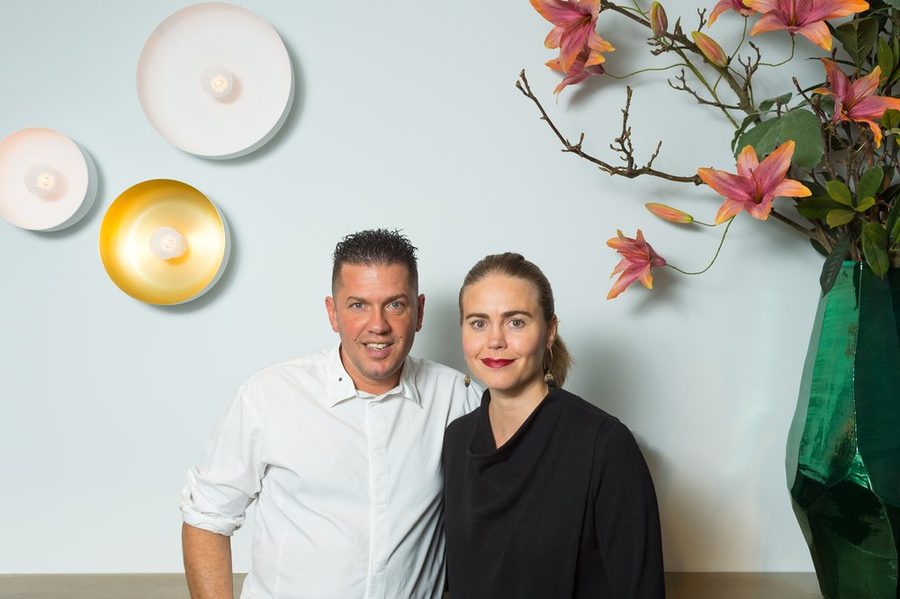
When I spoke with Jacob Jan Boerma, he was chef and owner of De Leest in Vaassen, The Netherlands, a restaurant holding three Michelin stars in a small Dutch town. De Leest closed in 2019, and Boerma is now Signature Chef at The White Room in Amsterdam. He was among the eighty hoteliers and chefs I interviewed for The Luxury of Attention, and his conversation shaped the book’s thinking on discipline and creativity even though he is not quoted in its chapters.
His path began with a scent. Every Sunday his grandmother cooked a warm lunch of local duck with pumpkin and juniper berries, and the aroma filled the house. He says that was his first experience of being inspired by food. His first kitchen was a one star restaurant where he was very nervous and where, he remembers, his love for the work truly started. What he saw there was incredible discipline and an enormous focus on quality, and he decided then that this was the only way to succeed. Discipline remains, in his words, the operative word for success and for staying successful.
The idea he carries from our conversation is that quality is a daily defense against quantity. The thought that keeps him awake is that volume will come to matter more than the product, and he holds that a chef must never give in to that. Getting the best product every day depends on suppliers who care about your standards; once they do, they become part of your success. He is equally firm about honesty inside the team. Whatever a cook combines, the original flavor of the product should never be lost, and a kitchen must never lie about the quality of what it serves.
“Nature rules over our menu, and the seasons decide the quality of the product.” Jacob Jan Boerma, in A Wealth of Insight (2019)
His own region is the starting point and he enriches Dutch cooking with flavors from elsewhere, which is why his menu always carries langoustine while the dish changes with every season. New dishes begin in his mind, then pass through trial and error with the team, and he is willing to stop when a dish cannot be got right. His turbot with cauliflower and beurre noisette is his example of one that could be, and it gains new elements every year.
For a manager, the most useful passage in his profile concerns leadership. He argues that a chef can only create when involved day in and day out, that enthusiasm in a team depends on the leader staying positive and excited, and that this spreads to others like a benign infection.
“In terms of leadership, you are only as effective as your explanation for why you do things a certain way.” Jacob Jan Boerma, in A Wealth of Insight (2019)
That is a standard any leader can be measured against. Communicate clearly and often, hold a shared vision, and be able to say why each thing is done the way it is.
In the book, Jacob Jan Boerma appears in the roll call of the eighty hoteliers and chefs interviewed for The Luxury of Attention rather than in a named chapter; his conversation fed the synthesis that runs through the chapters on the team, the creative act and the pursuit of perfection. Jacob Jan’s full profile, in his own words, runs four pages in A Wealth of Insight: The World’s Best Chefs (2019).
Jacob: career record
Career
- Chef-Patron and Co-Owner, De Leest, Vaassen 2002–2019 (source, 7 October 2019)
- Chef, Restaurant De Nederlanden, Vreeland 1998–2002 (source)
Training
- Attended hotel school in the Netherlands, then gained experience in international two- and three-star Michelin restaurants (source)
Recognition
- Gault Millau Chef of the Year (2009) (source)
- Gault Millau Chef of the Year (2010) (source)
- Third Michelin star for De Leest, Vaassen (2013) (source)
- SVH-Certified Master Chef title (source)
Checked 13 November 2026. Corrections are welcome at press@theluxuryofattention.com.
The full profile, in Jacob Jan Boerma's own words
This is the complete profile of Jacob Jan Boerma as published in A Wealth of Insight: The World's Best Chefs on Creativity, Leadership, and Perfection, reproduced word for word. Titles and positions are as they stood at the time of the interview.
Early Inspiration
I embarked on a culinary path because of my grandmother. Every Sunday she would prepare a warm lunch of local duck with pumpkin, juniper berries and other ingredients, and it would send a delicious aroma all through the house. This was my first experience of being inspired by food—the scent.
Where it Started
I remember working in my first kitchen like it was yesterday. It was a one Michelin star restaurant. I was very nervous, but this is where my love for the work really started. There was incredible discipline among the team and an enormous focus on quality. I realized then that this was the only way to achieve success. Today, discipline is the operative word when understanding success, and staying successful.
A Positive Virus
You can only create when you are involved as a chef—day in and day out. In order to maintain enthusiasm among the team, you yourself must remain positive and excited. Only then can you transfer this positive virus to others. In terms of leadership, you are only as effective as your explanation for why you do things a certain way. You must communicate clearly, and often, and have a shared vision for your team and the work. You must also instill in your team that you must never lie about the quality of the product. These ideas and values form the foundation of a healthy team.
Always on My Mind
One of the things that keeps me awake at night is the thought that quantity becomes more important than quality. As a chef you must never give in to that mind-set. Getting the best product there is day after day can only be achieved by getting suppliers to care about your standards, and when they do, they become part of your success. Ultimately, a passionate team is the cornerstone of success. Nature rules over our menu, and the seasons decide the quality of the product. But most importantly, flavor is the key. It is the building block for continuity.
The Essence
When we think about creativity and cooking, creativity decides uniqueness: finding the perfect balance between flavors and textures is a key component in my way of cooking. Whatever you combine, in whatever way, the original flavor of the product should never be lost. Discipline is the basis for my efforts, but creativity allows for my personal touch and for a dish to be in the style of my kitchen.
Source of Inspiration
Art, local markets and traveling to different countries are all sources of inspiration. My own region is the starting point, but I enjoy enriching Dutch cuisine with flavors and elements from all over the world. While nature guides me, and seasons influence the availability of certain ingredients, nothing can be fresher than regional products. For example, my menu always contains langoustine, but the dish changes every season. The day I feel pressure to cook, rather than being fuelled by natural curiosity, passion and excitement, I will quit being a chef.
Mind to Plate
Creating a new dish always begins in my mind. Once I have an idea, we prepare the different elements and through a lot of trial and error we will get to a dish that we ultimately make available to our guests. The turbot, cauliflower and beurre noisette is a classic example of this process. Every year I add different elements and tastes, always mindful of the balance of flavors. Sometimes we simply can’t get a dish quite right. When I feel that moment is upon us, I quit developing the dish.
Not Far Off
I don’t believe that something like the perfect dish exists because everyone has different palates and preferences. However, if guests compliment a standout dish on my menu, perfection can’t be far off, and at least I know that the dish is unique in its own right.
Looking Ahead
One of the ways in which our industry is evolving is the need for more accessible restaurants that offer high quality food and a dining experience for an affordable price. Due to the increased popularity of the chef’s profession, a lot of emphasis has been taken off the serving staff, so I believe chefs will be interacting with patrons more and more in the future—not just to enhance the dining experience, but also out of necessity. As for the preparation of food, flavors will be emphasized and classical techniques will gain traction. We’re moving towards a more honest way of cooking.
Always a Need
The most important thing you need to know about being a professional chef is that it is a boundless profession and forever in need. People will always need to eat. So regardless of any technological development, social trend or otherwise, there will always be a demand for food cooked by professionals.
The profile is one of the first person accounts collected in A Wealth of Insight: The World's Best Chefs (2019), the book that preceded The Luxury of Attention.