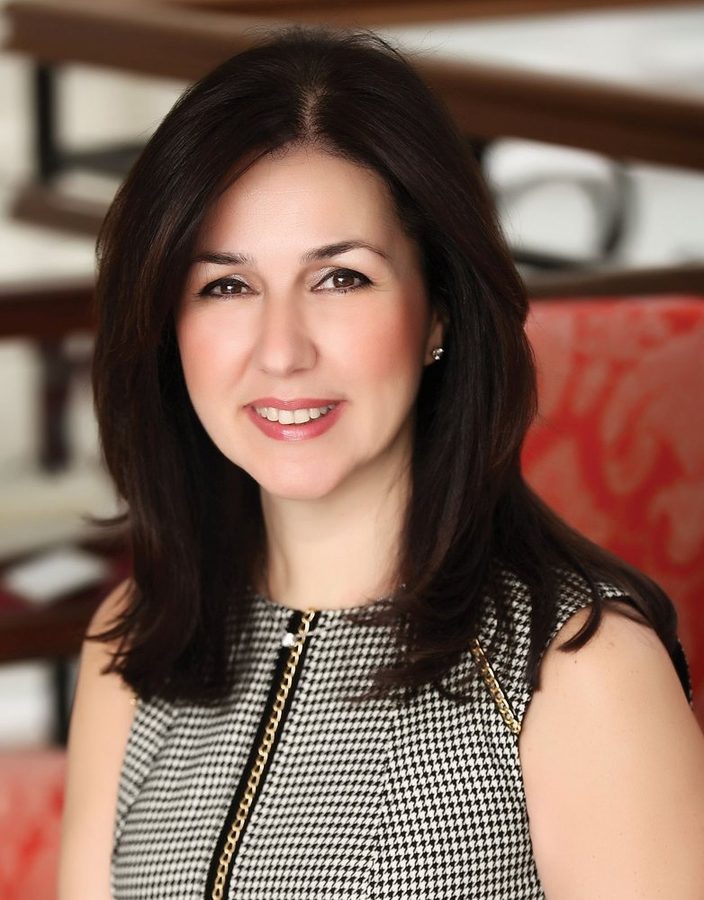
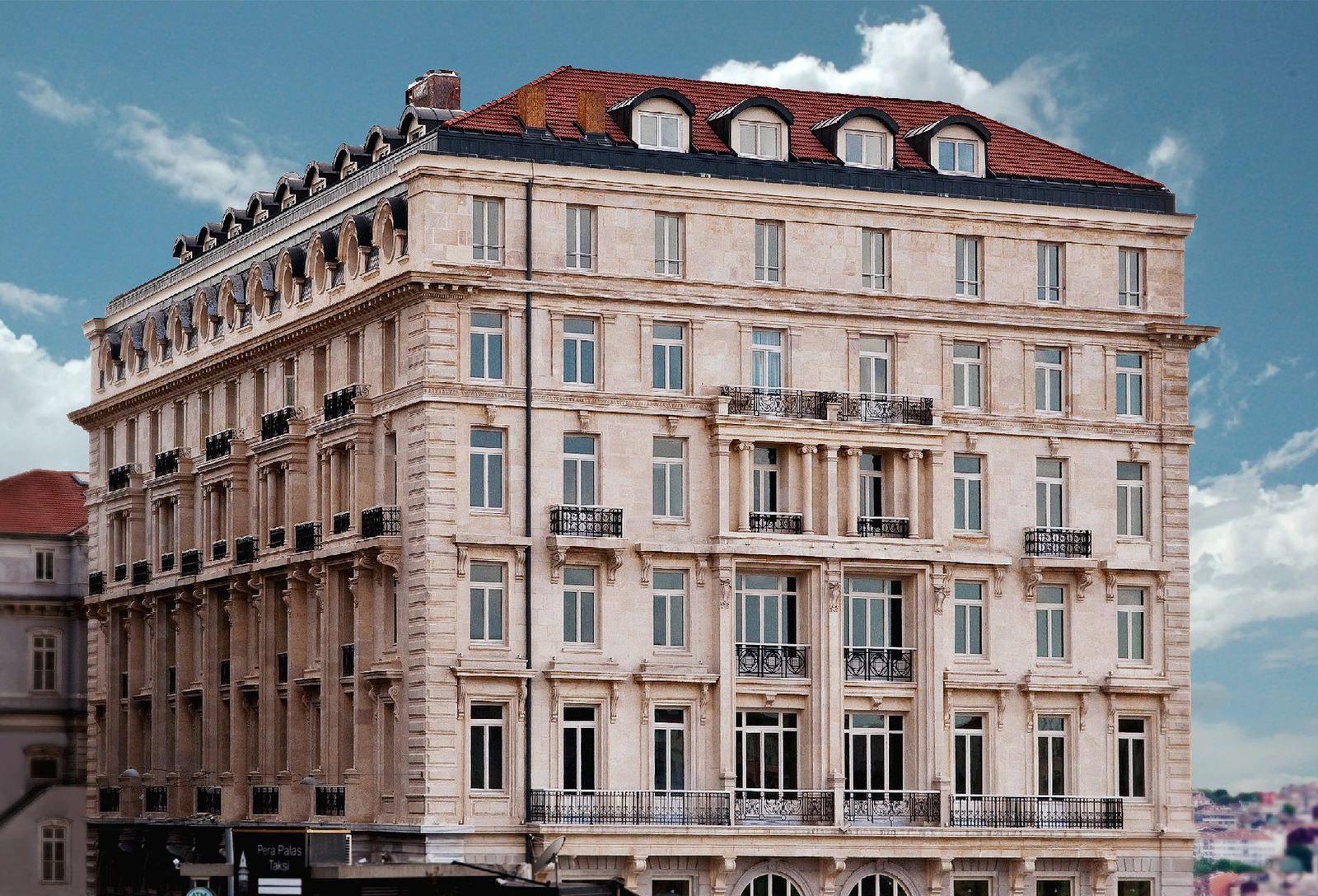
When I spoke with Pinar Kartal Timer, she was general manager of Pera Palace Hotel, Jumeirah, in Istanbul. She has since become Co-Founder and Managing Partner of NEXT PHASE Hospitality Management and Consultancy in the same city. In The Luxury of Attention she is the hotelier who describes, more precisely than anyone else, how a perfectionist can lead a team without exhausting it.
The path
Timer was born in Istanbul and spent her childhood between a humble home in Anatolia with her parents and her grandparents’ comfortable life in the city. Her father, a military officer with a soft heart, taught her honesty and fairness. Her mother was the perfectionist of the house.
Her first hospitality job was as a reservation clerk at the Hilton International Istanbul, when bookings arrived by telex and fax. She once filed a guest’s arrival as 11/05 instead of 05/11, and learned that a small mistake in a junior role can become a large problem. Her first leadership job, as a group sales manager, produced a second lesson. An hour before a group arrived, she discovered their confirmed sea view rooms faced the garden, and she joined housekeeping to turn the right rooms around herself.
What she is known for in the book
Chapter 7 opens on the tension between a leader’s standard and a team’s capacity, and Timer’s account frames it. As a perfectionist, she told me, good is never enough, for her or for the luxury hotel business. In the same breath she insisted that the team has to be appreciated, motivated and given time to improve, because continuous learning does not happen overnight. Hold only the first and the team burns out. Hold only the second and the standard slips.
Her hiring practice follows from this. After the human resources interview and the department head’s, she spoke with every applicant for every position. She could not tell in twenty minutes whether someone was a good electrician, but she could tell whether they belonged in the hotel’s family. Her description of the ideal employee is one I use in Chapter 8 as an interviewer’s checklist.
“Hotel employees should be friendly but not pally, assertive but not rude, kind but not weak, humble but not timid, and proud but not arrogant.” Pinar Kartal Timer, then general manager of Pera Palace Hotel, Jumeirah
Each pair names a quality and the distortion it can slide into. In Chapter 9 she is equally candid about guest knowledge. When a guest shares nothing in advance, her team learned to find public information online and build a welcome amenity around it, such as a box of chocolates printed with a writer’s latest novel cover. I draw a line there: the team reads what the guest has chosen to make public, and nothing more.
In her own words
The sea view rooms taught her a rule about leadership that has nothing to do with hotels.
“However, I also realized that while you can delegate duties, you cannot delegate ultimate responsibility.” Pinar Kartal Timer, in A Wealth of Insight (2017)
What to take from her
Meet every hire yourself if the size of the operation allows it. Twenty minutes is enough to judge attitude, and attitude is the one thing that cannot be trained in afterward.
Give new department heads the full picture. At Pera Palace, a new head spent a week rotating as a guest of the other departments before taking charge of their own, on the principle that nobody makes good decisions without seeing how the units connect.
Tailor development to the person. A reservation supervisor with the potential to become a revenue manager was sent to budget meetings to learn the job. Ask what each person wants next and build the route.
Audit on a schedule. Pera Palace was audited twice a year by an outside firm and four times a year internally, with four refresher trainings a year.
In the book
Pinar Kartal Timer appears in Chapter 7, In Pursuit of Perfection, where her account frames the tension between a perfectionist’s standard and a team’s capacity; in Chapter 8, The Human Touch, where her interviewing practice and her description of the ideal employee stand as a hiring checklist; and in Chapter 9, Knowing Your Guest, where her online research into arriving guests illustrates predictive anticipation, including the writer who found a chocolate box embossed with the cover of their latest novel. Pinar’s full profile, in her own words, runs ten pages in A Wealth of Insight: The World’s Best Luxury Hoteliers (2017).
The full profile, in Pinar Kartal Timer's own words
This is the complete profile of Pinar Kartal Timer as published in A Wealth of Insight: The World's Best Luxury Hoteliers on Leadership, Management, and the Future of 5-Star Hospitality, reproduced word for word. Titles and positions are as they stood at the time of the interview.
Growing Up
I was born in Istanbul, Turkey, to a big, loving family. When I was quite young, I split my time between Anatolia, where my parents and I lived, and Istanbul, where my grandparents lived. We lived in a very humble setting, while my grandparents lived luxuriously. I learned to adapt and appreciate two extremely different environments. My father was a military officer with a soft heart. He taught me the importance of honesty, integrity, fairness, and standing up for the rights of others. My mother took care of the family. She was a perfectionist, making sure we had the healthiest food, the best education, and the finest outfits.
Human Error
My first job in hospitality was as a reservation clerk at the Hilton International Istanbul. At the time, reservations were coming through over telex and fax, not streamlined via the Internet and managed with sophisticated software. I was filing all such correspondence and by accident I labeled a guest arrival date 11/05 instead of 05/11. When the guest arrived, we couldn’t find their reservation. They also claimed that they had booked an upgraded room for the same rate. We couldn’t verify this but ended up accepting their word. We looked unprofessional, lost the opportunity to upsell, and my shift leader was extremely upset. I learned that even in my very junior position, a small mistake could lead to a major issue.
Roll Up Your Sleeves
My first leadership position was as a group sales manager. Although I only had one colleague reporting to me, I was in charge of the group’s performance, ensuring that all departments involved were performing optimally. On one occasion, we had confirmed a block of rooms with seaside view. As a reminder, in 1990, there were no electronic key cards. We had heavy keys. In double-checking the keys and envelopes of this group, I noticed the room numbers were facing the garden—not the seaside. The reservation agent had made a mistake, and we only had one hour before everyone arrived. I immediately went to help housekeeping clean up and re-arrange all the sea view rooms. In rolling up my sleeves to get the job done, I earned the respect and trust of my team. However, I also realized that while you can delegate duties, you cannot delegate ultimate responsibility.
The Core of Culture
Respect is the bedrock of a successful working environment. Respect for yourself and your duties, respect for your colleagues and their positions, and respect for your clients and guests. Notions of hard work, empathy, honesty, collaboration, empowerment, and joy flow once respect is established. Communication, too, is vital to a healthy operation. I always encourage my colleagues to seek me out for face-to-face interactions, as this continuously builds rapport.
Interacting with Guests
Guests should be made to feel welcomed, appreciated, and acknowledged. Hotel employees should be friendly but not pally, assertive but not rude, kind but not weak, humble but not timid, and proud but not arrogant.
Seek Excellence, Patiently
As a perfectionist, good is never enough. It’s not enough for me and it’s not enough for the luxury hotel business. We must always strive for excellence, building on our strengths and narrowing our weaknesses. At the same time, we need to appreciate how hard our team is working, spend time motivating them to reach new heights, and give them time to improve. Continuous learning and development will not happen overnight.
Attitude, not Skills
After interviews with human resources and the department head, I take the opportunity to speak with each new applicant, regardless of the position they’re applying for. While I can’t judge whether they’re a good electrician or housekeeper in twenty minutes, I can judge whether this person is suitable for our hotel family. I have no hesitation saying that I recruit for attitude over skills. We can teach virtually every skill, but changing an attitude can take years, if ever.
The Full Picture
When new recruits join the team, we have a full day of training, which involves meeting and hearing from all department heads personally about what their duties are and how they relate to other units, followed by detailed house tours and safety guidance. New department heads spend a week rotating as guests of other units to understand each operation individually and in relation to others. This immersive experience is critical to starting off on the right foot. If you don’t have the full picture, you can’t make the most effective decisions.
Building Commitment
There are several strategies to keep your team motivated, engaged, and committed. Fundamentally, you must appreciate, recognize, and respect them. Sometimes just saying “thank you” can go a long way. Be open to their feedback and be inclusive in your overall decision-making process. This will create commitment to and ownership of the hotel’s success. Similarly, opportunities for professional development are critical to ensuring guests are motivated. We also organize team activities to have some fun and to build camaraderie outside the hotel, including group dinners and bowling tournaments.
Room to Grow
Every team member is different. They could have different aspirations, motivations, or long-term plans for the future. What’s important is that you tailor a professional development program for them based on their needs and interests. For example, our reservation supervisor had the interest and potential to become a revenue manager. To better understand that side of the business, he was given the opportunity to work with the current manager and attend budget meetings to learn more about what that position entailed. In addition, we offer a variety of cross-exposure opportunities in other Jumeirah hotels.
An Authentic, Local Experience
One of the ways in which we try to differentiate ourselves in a competitive market is by moving beyond being the most historical luxury hotel. Every month, we host a famous writer for a literary gathering, and for the past three years we have hosted classical music concerts every Saturday morning. In addition, we had a special interactive theatre play written and performed exclusively for the hotel, turning the property into a stage. The show has been offered for many months, running twice a week, and tickets are always sold out.
In addition, we created Black Week Istanbul, an international crime writers’ festival. Our first event was held in 2014 on the occasion of Agatha Christie’s 125th birthday, at which her grandchild participated. To celebrate even further, just prior to the festival, we partnered with Belmond Cipriani Hotel Venice and the Orient Express to organize a whodunit themed dinner in Venice. The second festival was held in 2014 and was organized in honor of George Simonen. And in 2017, the event will take the theme of James Bond, due to Ian Flemming. Needless to say, all of these incredible writers were guests of Pera Palace Hotel Jumeirah.
Meeting Expectations
To ensure the highest guest satisfaction, we conduct frequent audits and training. Twice a year, a third-party, private company audits our efforts. Four times a year we conduct our own internal audits. And another four times a year we organize a refresh in training for different levels of staff.
Love it or Hate it
If you don’t mind working 24/7, a career in luxury hospitality is incredibly rewarding. You will have the chance to meet the most important people in the world. You will have friends from all over the world. You will have a chance to travel and see the world in a way few people can. This is an industry that you either love or hate, and you must absolutely love it in order to be successful.
A Warm Welcome
We welcome every guest with a glass of apple tea served with a Turkish delight and a hot or cold towel, depending on the weather. Guests are then escorted to their rooms in the first electric elevator in Turkey while a guest relations executive explains the history of the hotel. In the room, guests are treated with seasonal dates or a very special chocolate bar from the neighborhood. As the hotel is a living museum, all of the historical furniture, rare books on display, and the Ataturk Museum Room transport guests to 1920s Turkey.
A Changing Definition
The definition of luxury has changed in recent times. It no longer symbolizes anything material. Today, luxury is the knowledge of hidden places and experiences in any given city, and authentic experiences that simply cannot be organized on your own. Therefore, tailored services provided by an expert concierge play an even more important role today than in the past. Across the industry, experiential adventures are also in demand, such as cooking with a celebrity chef, truffle hunting, and deep-sea fishing.
A Truly Personalized Stay
Knowing more and more about your guests enables increased personalization, which is the future of the industry. Even if a guest doesn’t share their interests or preferences in advance, we are becoming experts in sleuthing some of that information online. A welcome amenity would then be based on their profession.
For example, a writer might receive a box of chocolates with their latest novel cover printed on top, and a musician might receive a plate of treats in the form of a treble clef. For regular guests, we offer special amenities and services on their 5th, 10th, 15th, and 20th stay, from complimentary transfers to a private cooking lesson with our executive chef.
The profile is one of the first person accounts collected in A Wealth of Insight: The World's Best Luxury Hoteliers (2017), the book that preceded The Luxury of Attention.