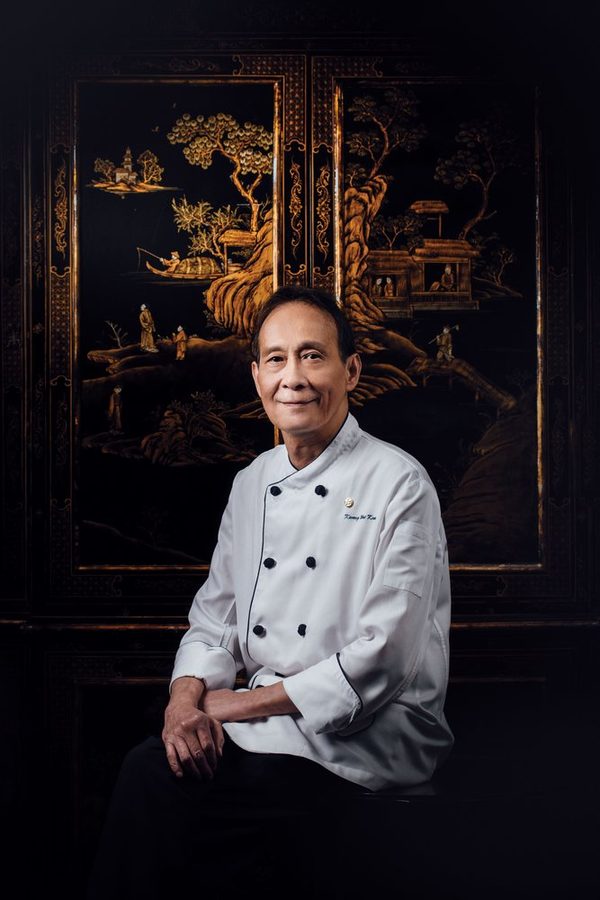
When I spoke with Kwong Wai Keung, he was the chef of T’ang Court at The Langham, Hong Kong, a restaurant holding three Michelin stars and one of the most decorated traditional Cantonese kitchens in the world. He appears in two chapters of The Luxury of Attention, and the idea he carries through both is that a kitchen can pursue perfection inside a tradition, with the tradition setting the boundary and the kitchen’s daily practice keeping the tradition alive.
Kwong entered the industry as a teenager to earn an income and found his passion for cooking only as he matured. He learned in a Chinese kitchen of the older kind, where executive chefs did not actively teach their juniors. Observation was the method. A young cook had to memorize how the executive chef prepared every dish and master the skills by trial and error. “It was enormously satisfying working in the kitchen and from that point on, I believed being a chef would be my lifelong career,” he told me. He has worked with the restaurant’s director of operations, Danny Chan, for almost thirty years, and he names communication, trust and respect as the way the team works.
Most chefs in the book describe perfection as a personal standard. For Kwong the standard is set by Cantonese cooking itself. The perfect dish brings out the best flavors and textures of its ingredients while staying faithful to the tradition it belongs to. He keeps an eye on new ingredients and equipment, and a dish evolves when he finds a way to improve it to a great extent, but the test is always whether the cooking technique matches the ingredient at hand. Chapter 11 draws the lesson out: the kitchen’s evolution is bounded by the tradition, and the tradition is kept alive by the kitchen’s daily practice. That mutual obligation is the substance of what the restaurant sells.
“T’ang Court specializes in presenting very traditional Cantonese cuisine, so when we think about perfection, the perfect dish is one that upholds and brings out the best flavors and textures of the ingredients, while also staying true to authentic Cantonese tradition.” Kwong Wai Keung, chef of T’ang Court at The Langham, Hong Kong
In Chapter 14 he describes a shift he sees from the pass. Diners are more conscious of their health, which changes how he selects ingredients and balances meat and vegetables on a plate, and he adds a discipline the wellness reports rarely mention: food safety, and the refusal of low quality ingredients and additives used to enhance a dish. The resorts in that chapter are building wellness into their architecture. His kitchen builds it into the plate.
The profile I published in 2019 shows how he turned the silence of his own apprenticeship into a different way of leading.
“Today, I always step into the shoes of my junior staff to understand their wants, needs and ambitions. I observe their abilities and potential from day one, and when the time comes, I empower them to embrace new opportunities to upgrade their skills and advance professionally.” Kwong Wai Keung, in A Wealth of Insight (2019)
Two of his habits are worth borrowing. When a new dish fails, he investigates the root cause, and he has found that the answer is usually that the product could have been better sourced, which is why he treats sourcing as the first step of creation rather than the last. And his inspiration comes from daily life: a passing aroma of black beans in a wok became a lobster dish fragrant enough to reach diners before they see it.
In the book, Kwong Wai Keung appears in Chapter 11, Staying True, where his kitchen gives the chapter’s discipline of identity a different cultural inflection from the European and American examples around it, and in Chapter 14, The Future of Luxury and Craft, where he describes how the wellness shift the resorts are building into their architecture is being built, in his kitchen, into the plate.
Kwong’s full profile, in his own words, runs four pages in A Wealth of Insight: The World’s Best Chefs (2019).
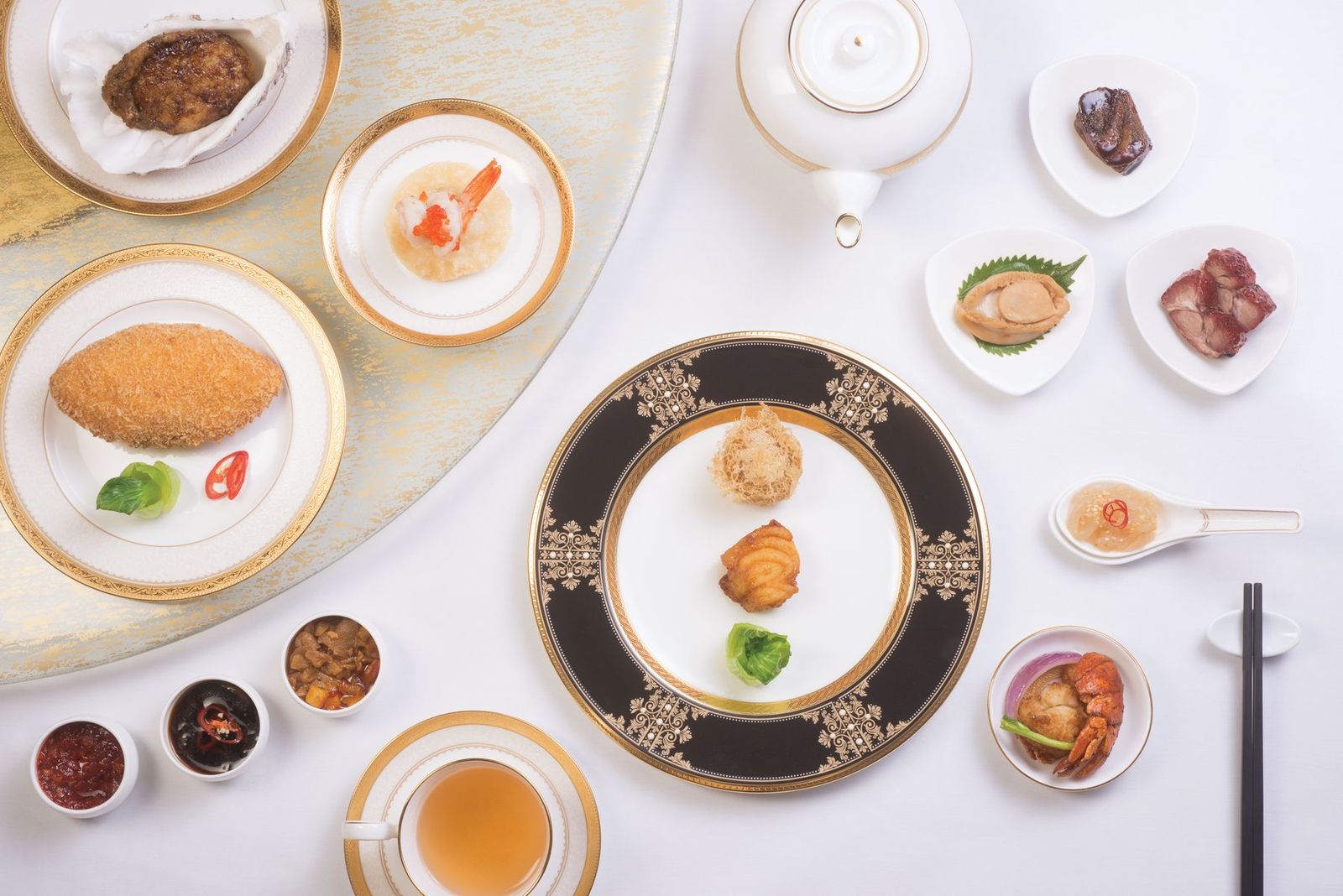
The full profile, in Kwong Wai Keung's own words
This is the complete profile of Kwong Wai Keung as published in A Wealth of Insight: The World's Best Chefs on Creativity, Leadership, and Perfection, reproduced word for word. Titles and positions are as they stood at the time of the interview.
Job to Career
I entered the culinary industry as a teenager to merely earn an income, but soon after I matured, realizing my passion for cooking. It was enormously satisfying working in the kitchen and from that point on, I believed being a chef would be my lifelong career.
Watch Closely
When I first joined the industry, executive chefs in Chinese kitchens would not actively teach junior chefs. Observation was the key to learning in a Chinese kitchen. You would have to memorize how the executive chefs cooked all of the dishes, and master these skills by trial and error. Today, I always step into the shoes of my junior staff to understand their wants, needs and ambitions. I observe their abilities and potential from day one, and when the time comes, I empower them to embrace new opportunities to upgrade their skills and advance professionally.
The Fundamentals
The foundation of every successful dish is rooted in the quality of ingredients. Over the years, I’ve studied different types of products to figure out which cooking techniques best bring out the flavors and textures of each dish. I have also spent much time leading our efforts to source the best ingredients we can. Simply put, my philosophy is to cook whole-heartedly and maintain the integrity of the products.
Key to Success
Good communication, mutual trust and respect are the hallmarks of how the team at T’ang Court works together. Indeed, teamwork is critical to success. I have worked with our Director of Operations at the restaurant, Mr. Danny Chan, for almost 30 years. His support and leadership is essential to making T’ang Court one of the top Cantonese restaurants in the world.
Harness the Senses
Most of my cooking inspiration comes from daily life. For example, one day I was attracted to a brief aroma of stir-fried black beans, which inspired me to create a dish so fragrant than it can be smelled by diners before they see it. The dish, which won an accolade at the Hong Kong Tourism Board’s culinary awards, was stir-fried fresh lobster with spring onion, red onions and shallots. After 45 years as a chef, I believe I have mastered the process of creating a new dish. Of course, there are times when some ideas don’t turn out as perfectly as expected, but often after investigating the root cause of the issue, the quality of the product could have been better sourced. This is why I always emphasize the sourcing of ingredients as one of the most important aspects of creating the perfect dish.
The Right Balance
T’ang Court specializes in presenting very traditional Cantonese cuisine, so when we think about perfection, the perfect dish is one that upholds and brings out the best flavors and textures of the ingredients, while also staying true to authentic Cantonese tradition. While I always keep an eye on the newest ingredients and cooking equipment on the market, the most important thing is to match the appropriate cooking technique with the ingredient at hand. If I discover that there are ways to improve any of our dishes to a great extent, it’s time for that dish to evolve.
A Valuable Treasure
Today’s diners are getting more and more exposure to various types of cuisines from around the world, from local street foods to fine dining, and they are more knowledgeable than ever about culinary distinctiveness. Looking ahead, I believe traditional Cantonese cuisine will be better understood as a unique and valuable treasure of Cantonese heritage.
A Healthy Future
As diners are more health conscious, we must not only be careful in our selection of ingredients, but we must also strike the right balance between meat and vegetables in any given dish. Moreover, I always emphasize the importance of food safety in relation to the health of our diners. Low quality ingredients, MSG and other additives are being used to enhance dishes—despite their adverse impacts—so we must always put this issue in the spotlight.
The profile is one of the first person accounts collected in A Wealth of Insight: The World's Best Chefs (2019), the book that preceded The Luxury of Attention.