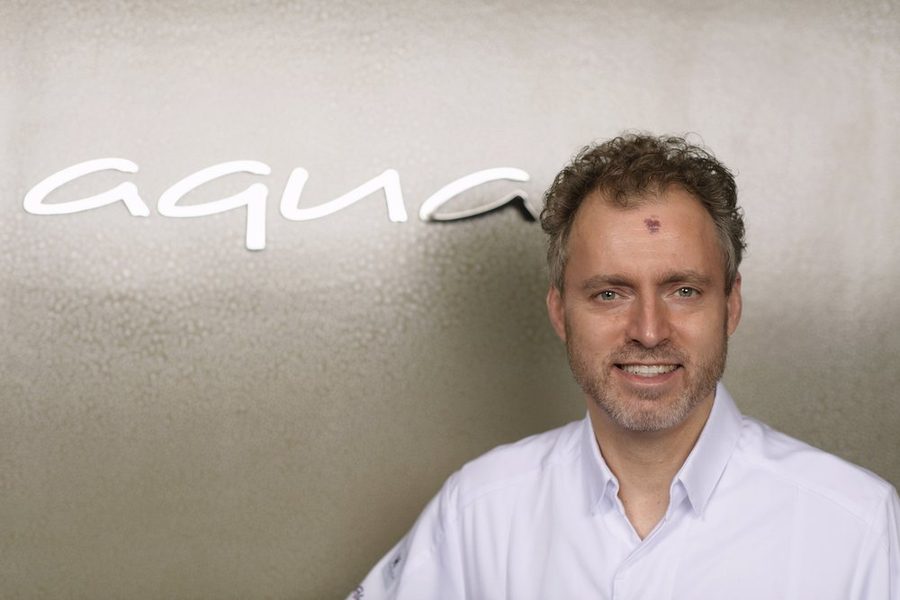
When I spoke with Sven Elverfeld, he was the chef of Aqua at The Ritz-Carlton, Wolfsburg, in Germany, a three Michelin star restaurant. Aqua served its final service in March 2026, and Elverfeld continues with S.E.A. by Sven Elverfeld aboard The Ritz-Carlton Yacht Collection. In The Luxury of Attention he is the chef whose calling was never a moment, and whose apprenticeship shows what a good superior does for the person in front of him.
Elverfeld says that for as long as he can remember he wanted a profession that combined craftsmanship with creativity. He does not point to a day when the decision was made. He points to an orientation that was always there, and his first apprenticeship, as a confectioner in a small traditional German bakery in the early 1980s, was the natural first expression of it. Bakeries of that kind were common then, making their own chocolates and tarts, and he was the only apprentice the shop took that year. He stayed three years.
The man who ran his training was young himself and encouraged him onward. He also told the apprentice something a good trainer rarely says: that the craft he was teaching would contract, and that confectionery would soon be economically viable for only a few companies. Elverfeld listened.
“I heeded his advice and, for me to continue working creatively and artfully, as well as broaden my horizons, I started my second apprenticeship as a chef. I am still very grateful for his advice.” Sven Elverfeld, chef of Aqua at The Ritz-Carlton, Wolfsburg
The career at Aqua followed. What stayed with me from our conversation was the gratitude, undimmed decades later, for a superior who put the apprentice’s future ahead of his own need for a pair of hands. Chapter 2 uses the story for that reason. The apprentice’s job is to receive the correction and bring back a better version the next day, and Elverfeld’s own leadership advice, to stay humble and treat every member of the team with respect, paraphrases the wisdom of every master in the book.
His profile also describes how he develops people. Finding the right staff is one of the hardest parts of running a restaurant like Aqua, so he rotates responsibility across the stations, saucier, entremetier and poissonnier, so that everyone learns new skills over time and has a reason to stay.
“The bottom line is you can’t be successful without a passionate team committed to a shared vision.” Sven Elverfeld, in A Wealth of Insight (2019)
On creativity he is practical. Ideas rarely arrive at work; they come when his mind is free, in surroundings unrelated to the daily routine, and he writes each one down wherever he is before turning the notes into mind maps. He tastes a dish in the order the guest will eat it before he decides how to plate it. Childhood shows up on the menu too, in the Frankfurt green sauce of seven herbs that he grew up with.
In the book, Sven Elverfeld appears in Chapter 1, The Calling, and Chapter 2, The Apprenticeship. In The Calling, he is the example of a chef who points to a permanent orientation rather than a moment, and whose first apprenticeship simply gave form to it. In The Apprenticeship, his three years in the bakery and the advice that sent him into the kitchen illustrate what a good superior does for an apprentice, and his own counsel to stay humble and to treat every member of the team with respect paraphrases the wisdom of every master in the book. Sven’s full profile, in his own words, runs four pages in A Wealth of Insight: The World’s Best Chefs (2019).
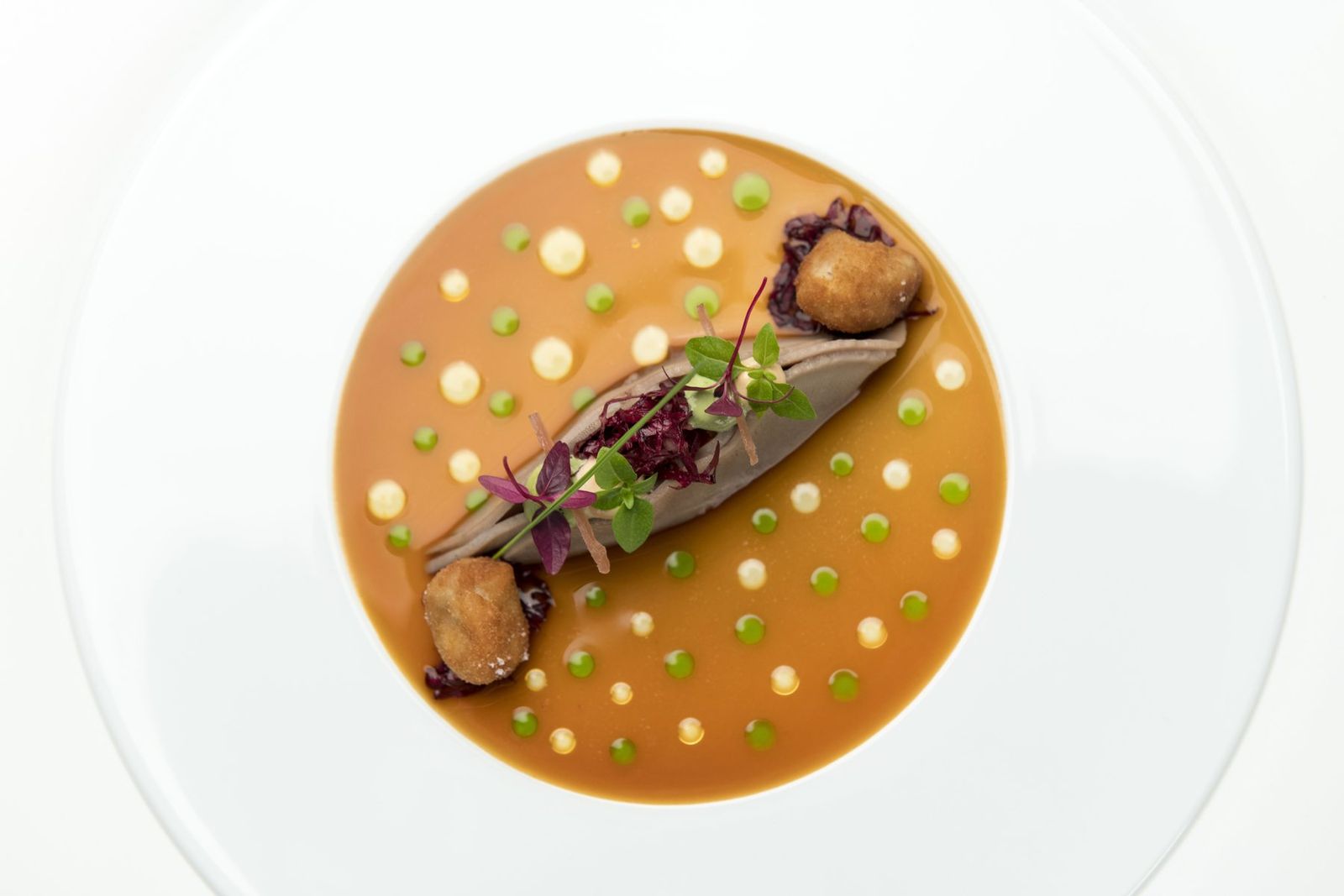
The full profile, in Sven Elverfeld's own words
This is the complete profile of Sven Elverfeld as published in A Wealth of Insight: The World's Best Chefs on Creativity, Leadership, and Perfection, reproduced word for word. Titles and positions are as they stood at the time of the interview.
A Disappearing Artform
Since I can remember, I’ve always wanted to practice a profession that combined craftsmanship with creativity. This led me to complete an apprenticeship as a pastry chef, and then as a chef. My first apprenticeship as a confectioner was in a small, traditional bakery, of which there were many at the time that made their own chocolates and tarts. I was fortunate to be the only apprentice in training for all three years. My superior was quite young himself and he really encouraged me onward. He predicted that craftsmanship in the confectionery sector would disappear more and more and would only be economically viable for a few companies. I heeded his advice and, for me to continue working creatively and artfully, as well as broaden my horizons, I started my second apprenticeship as a chef. I am still very grateful for his advice.
The order in which you should eat a dish influences the way in which you should plate a dish.
Developing Your Team
Above all, the most important leadership insight I’ve learned is to stay humble and treat every member of your team with respect. One of the biggest challenges to leading a restaurant like Aqua is finding the right staff. Therefore, it is critical to strengthen and improve the skills of the team regularly, offering them new opportunities to grow both personally and professionally. I do this by rotating the responsibility of different stations in the kitchen—saucier, entremetier, poissonnier—so everyone has a chance to develop and learn new skills over time. The bottom line is you can’t be successful without a passionate team committed to a shared vision.
The Nature of Creativity
In my mind, creativity is an innate ability and cannot be taught. However, creativity itself can be influenced by many different aspects: childhood memories, your home country, travels abroad, special products and more. All these aspects have an influence on my own creativity. For example, we have a few dishes that include Frankfurt’s specialty—the green sauce—because this reminds me of my childhood growing up. Green sauce is made of seven different kinds of herbs including borage, chervil, cress, parsley, salad burnet, sorrel and chives, as well as garlic, sour cream, yogurt, mustard, vegetable oil, lemon juice, salt and pepper. Another example is a dish that was inspired from my travels abroad: pigeon breast “Jean Claude Miéral” with eggplant, avocado, soya, pak choi, roasted garlic and bergamot.
Mentally Free
The products of each season are my main inspiration when creating a new dish. However, you cannot force inspiration by telling yourself you need a new idea, or by looking left or right in a panic. Most of my ideas come when I am mentally free and usually when I am not at work. The secret to being inspired is letting your mind wander in an environment unrelated to your daily routine.
Mind to Plate
The moment I have an idea I write it down on a piece of paper—wherever I am, wherever I go. Later, I turn these ideas into mind maps because this helps me organize what’s in my head and how I could put it on a plate. I then think about the combination of products and their flavors, textures and cooking techniques including fermenting, simmering, pickling or otherwise. When I have made a decision, I prepare all of the products and think about the order in which you should eat every component. The order in which you should eat the dish influences the way in which you should plate the dish. That’s why I always try my dishes before I think about plating.
Intelligent Cuisine
When you examine our dishes, balancing tradition with new techniques, flavors and ideas is omnipresent in our menus. Knowledge of traditional cooking methods and products are essential to creating a modern, intelligent cuisine. I think one example of this is my reconstruction of a classic German dish: simmered corned beef from Müritz lamb with Frankfurt-style green sauce, potato and egg.
The profile is one of the first person accounts collected in A Wealth of Insight: The World's Best Chefs (2019), the book that preceded The Luxury of Attention.